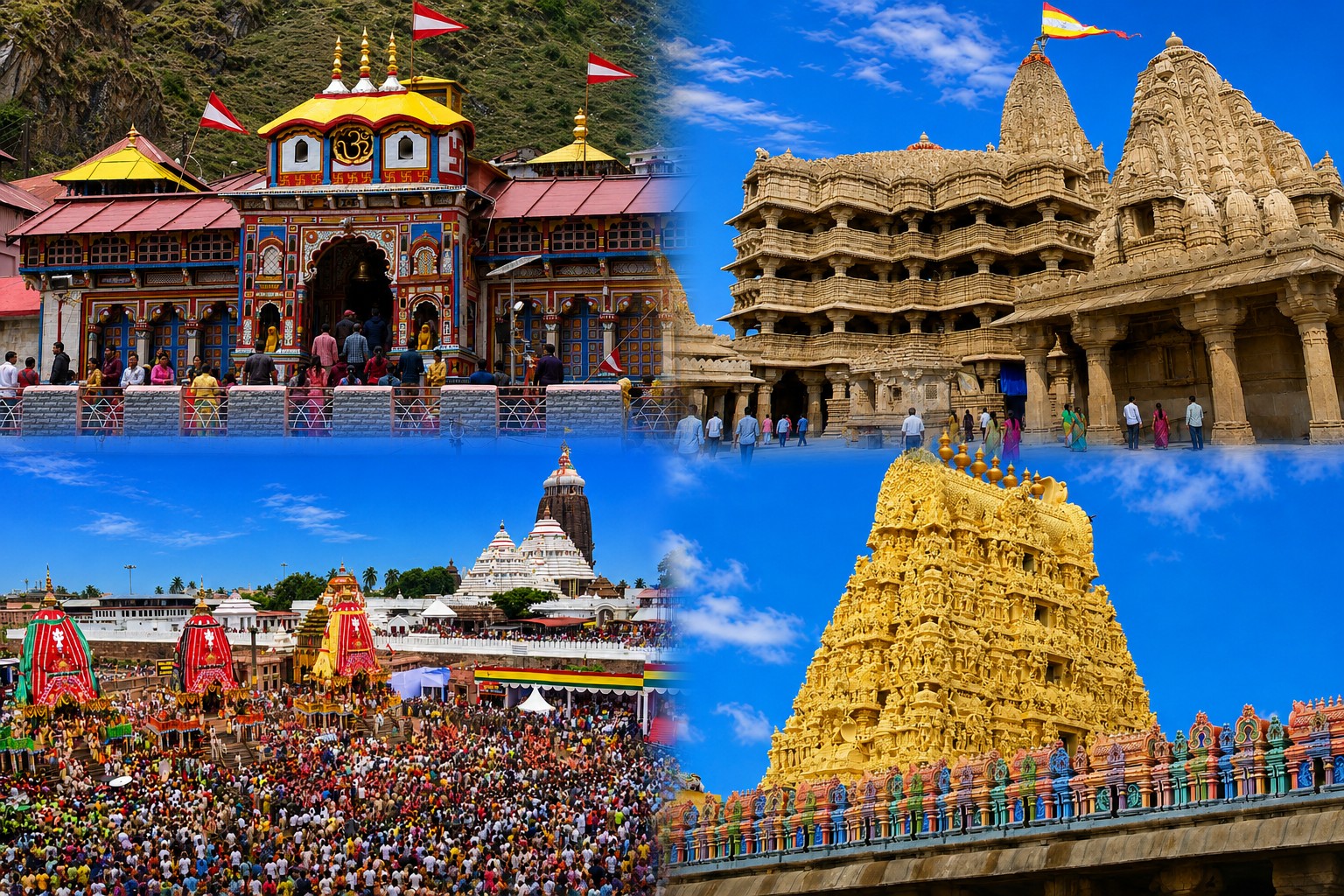
Char Dham Yatra
The four sacred abodes at the four corners of India — a pilgrimage established by Adi Shankaracharya to unite the country through spiritual geography.
Best Time
Year-round (varies by site)
Duration
15-21 days
Distance
~5,000 km
Significance
Four Corners of India
Unifying Sacred India
The Char Dham (Four Abodes) pilgrimage was established by Adi Shankaracharya in the 8th century CE to unite the diverse regions of India through a common spiritual journey spanning the four cardinal directions.
Each Dham represents one of the four goals of life (Purusharthas): Badrinath in the north for Moksha (liberation), Puri in the east for Bhakti (devotion), Rameswaram in the south for Gyan (knowledge), and Dwarka in the west for Karma (righteous action).
Completing the Char Dham Yatra is believed to wash away all sins and grant moksha. The journey takes pilgrims through diverse landscapes, cultures, and architectural styles, showcasing India's spiritual unity.
The Four Dhams
Each Dham marks a cardinal direction and a spiritual goal.
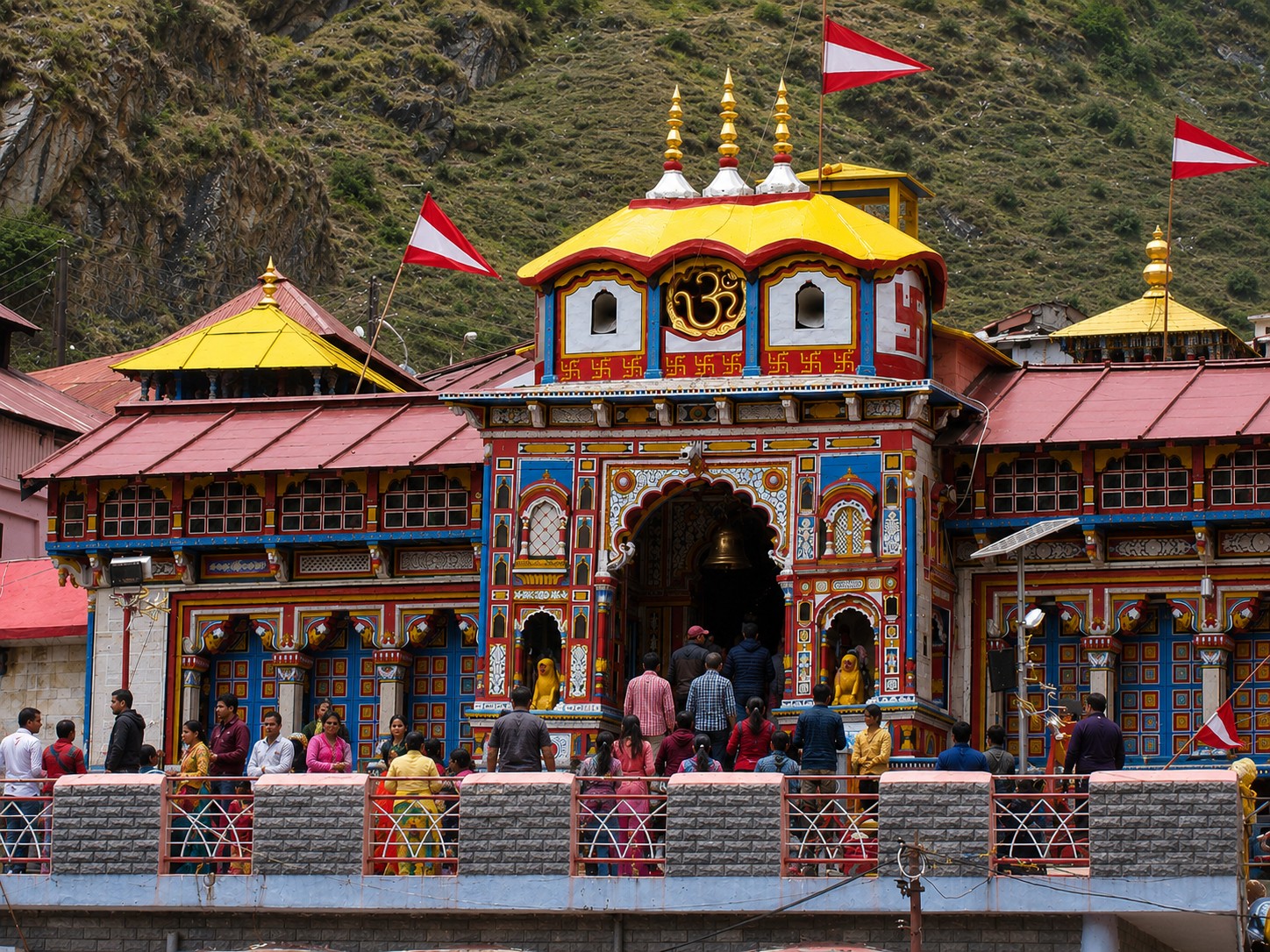
Badrinath
Moksha (Liberation)Situated at 3,133m in the Himalayas, Badrinath is the northernmost Dham. The temple is dedicated to Lord Vishnu in his form as Badrinarayan. It is one of the 108 Divya Desams.
Best Time: May to November
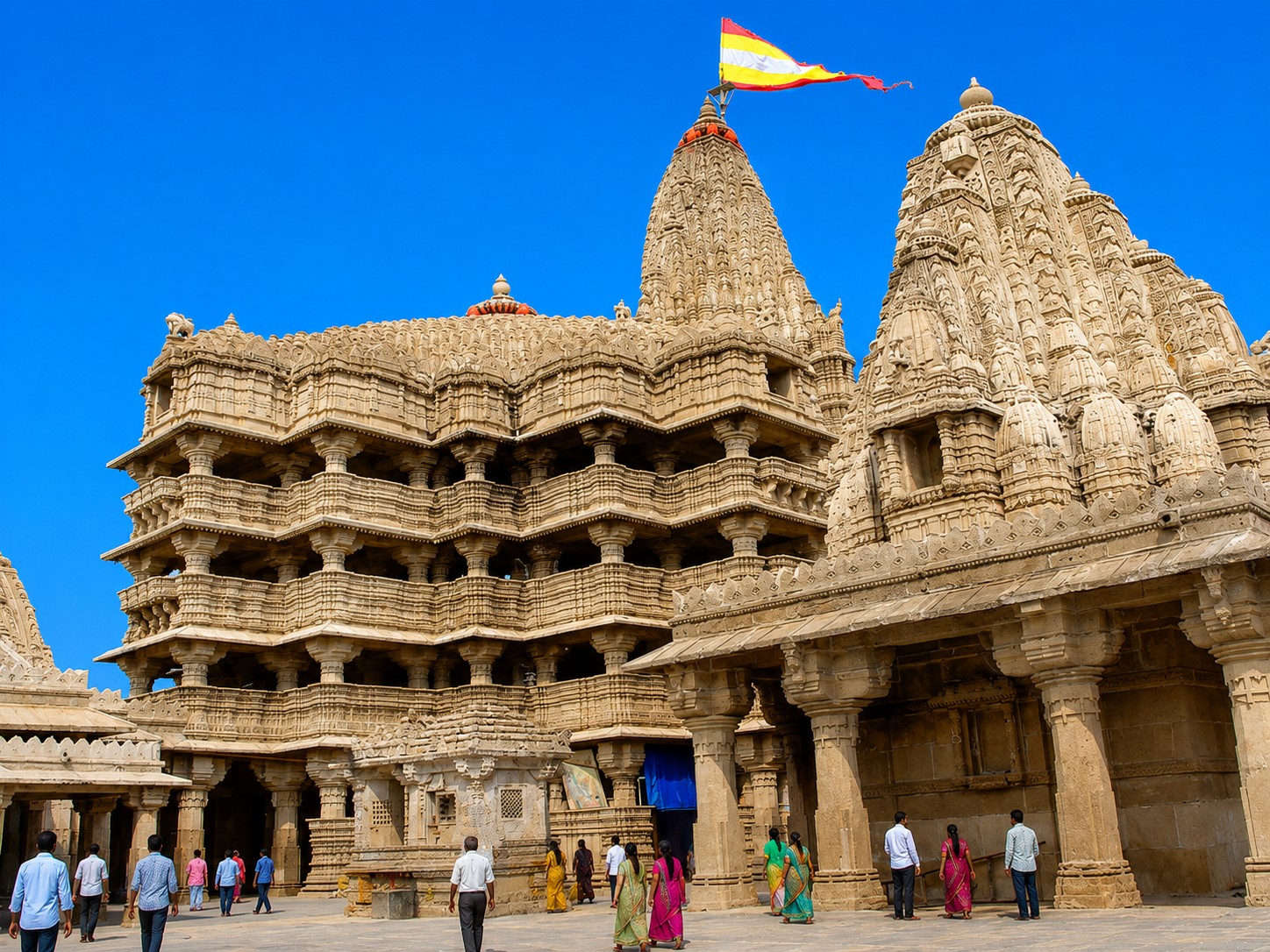
Dwarka
Karma (Righteous Action)The legendary city of Lord Krishna, Dwarka is the westernmost Dham. The Dwarkadhish Temple is built over the ancient city that is believed to have submerged under the sea.
Best Time: October to March
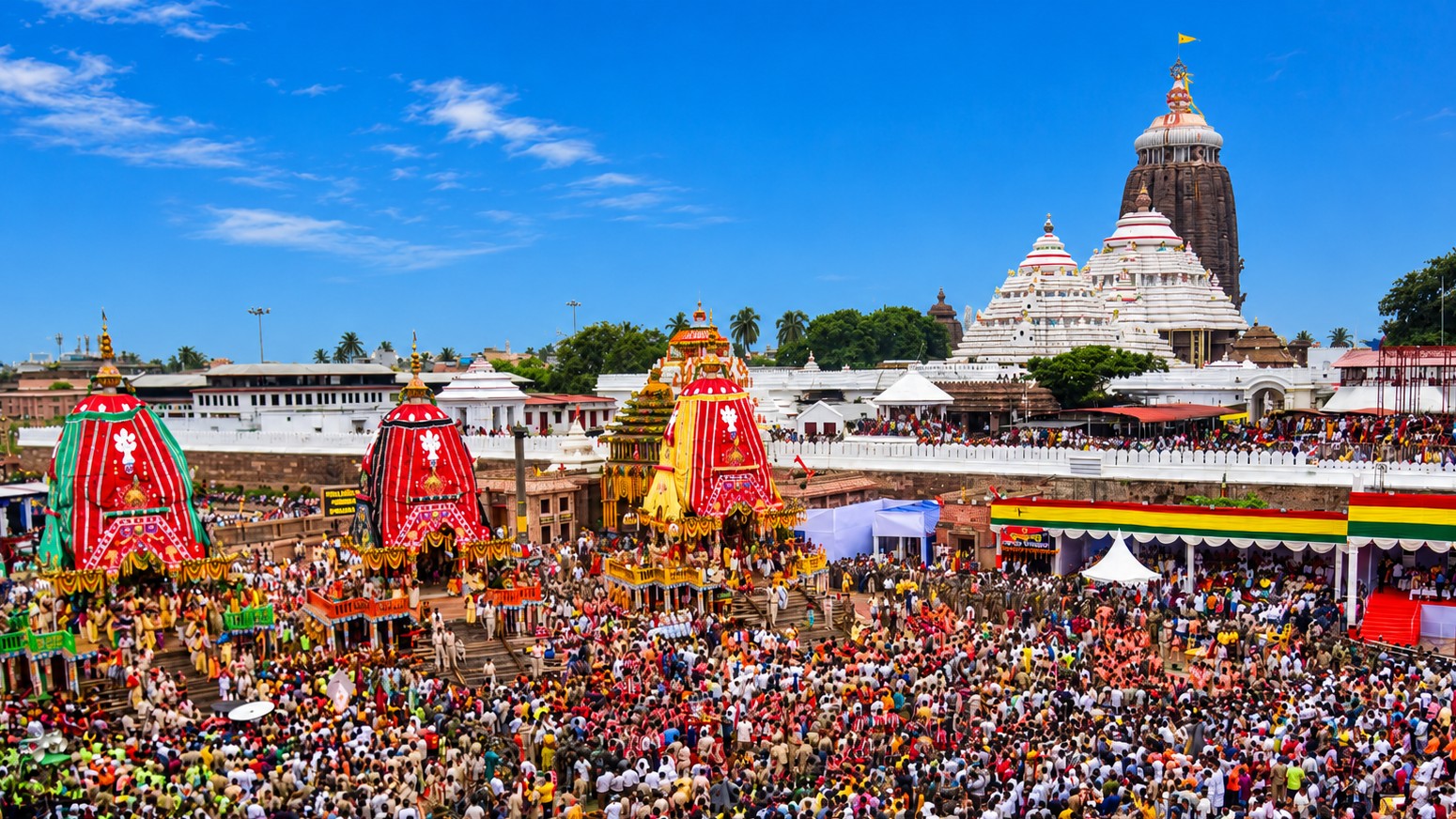
Puri
Bhakti (Devotion)The easternmost Dham, Puri is home to the Jagannath Temple and the famous Rath Yatra. Lord Jagannath represents the universal form of Krishna worshipped with Balabhadra and Subhadra.
Best Time: October to March
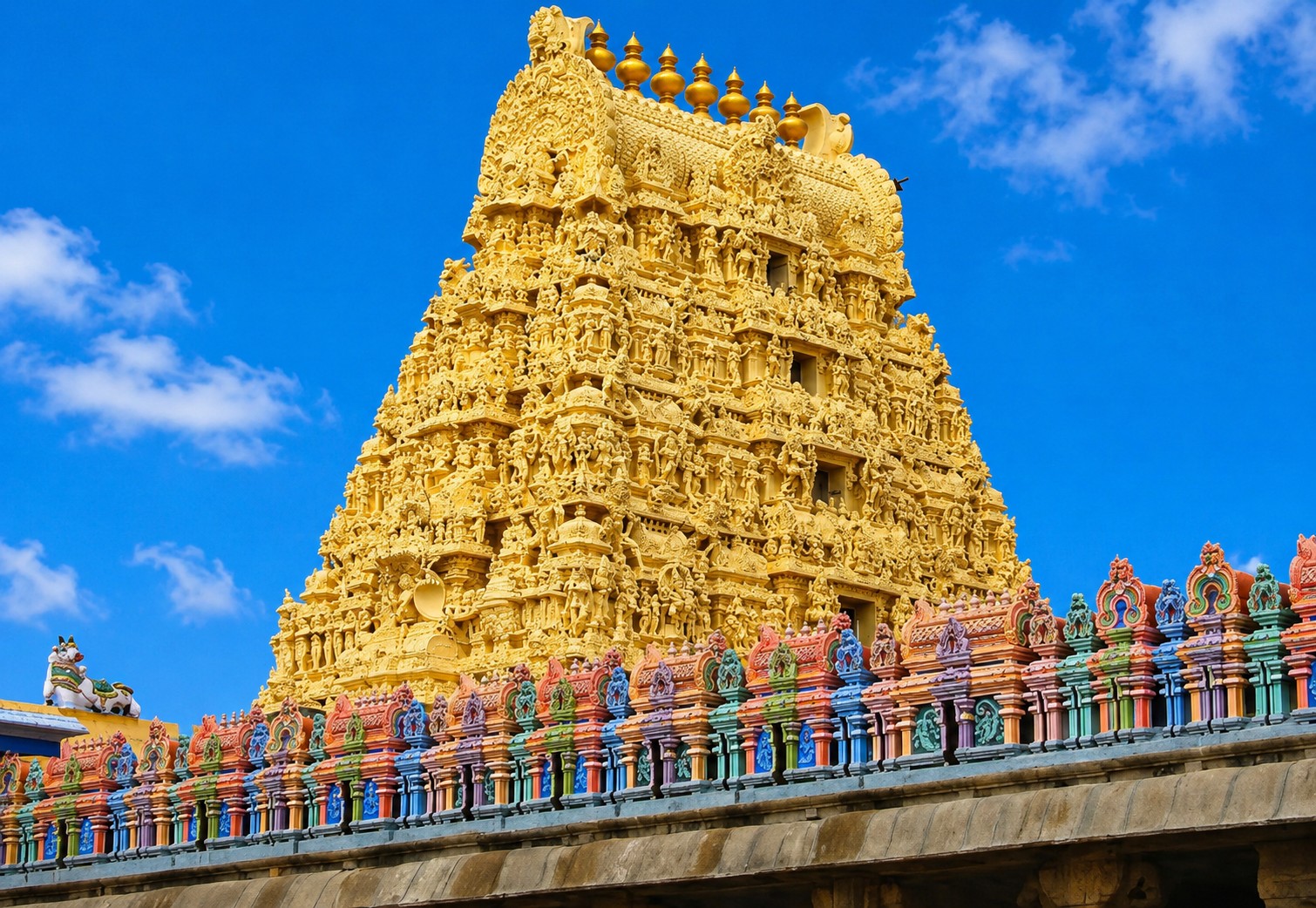
Rameswaram
Gyan (Knowledge)The southernmost Dham, where Lord Rama is believed to have worshipped Shiva. The temple has the longest corridor of any Hindu temple and 22 sacred wells (theerthas).
Best Time: October to April
Spiritual Experiences
Darshan at Dawn
Witness the opening rituals and first darshan at each Dham for the most sacred experience
Temple Rituals
Participate in abhishek, archana, and other traditional worship ceremonies
Holy Bathing
Take sacred dips at Rameshwaram theerthas and Badrinath hot springs
Prasad Traditions
Receive Mahaprasad at Puri and blessed offerings at each Dham
Pilgrimage Checklist
Essential items for your Char Dham Yatra.
Planning Your Yatra
Traditional Clockwise Route
Start from Puri (East) then Rameswaram (South), Dwarka (West), and finally Badrinath (North). This follows the traditional pradakshina (circumambulation) of India.
15-21 days | All seasons possible
Seasonal Consideration
Badrinath is open May-November only. Plan to visit Badrinath during summer and the southern Dhams during winter for optimal weather conditions.
Split journey recommended