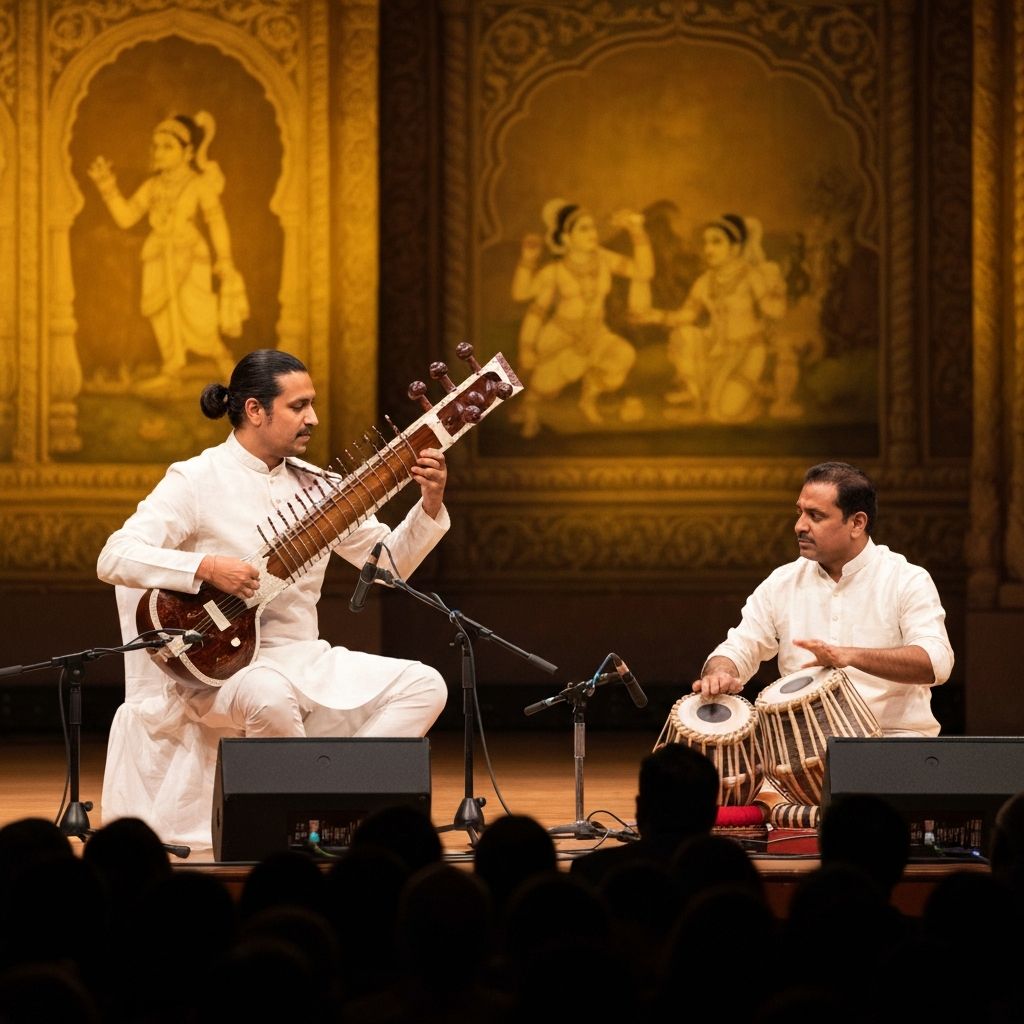
Classical Music of India
Two magnificent traditions - Hindustani and Carnatic - weaving ragas, talas, and centuries of devotion into the fabric of sound.
Traditions
Hindustani & Carnatic
Origin
3000+ Years
Regions
North & South India
Foundation
Sama Veda
Indian classical music is one of the oldest and most sophisticated musical traditions in the world, with roots tracing back to the Sama Veda, one of the four Vedas composed around 1500 BCE. Unlike Western music with its emphasis on harmony, Indian classical music is built upon melody (raga) and rhythm (tala), creating an intensely personal and improvisational art form.
Two distinct traditions emerged over millennia: Hindustani classical music in the North, influenced by Persian and Mughal traditions, and Carnatic music in the South, which retained more of its ancient Vedic character. Both traditions share common roots but differ in instruments, compositions, and performance styles.
Raga and Tala
Raga - The Melodic Framework
A raga is far more than a scale - it is a melodic framework with specific rules governing ascent (aroha), descent (avaroha), emphasized notes (vadi-samvadi), and characteristic phrases. Each raga evokes specific moods and is traditionally associated with particular times of day or seasons.
- Raga Bhairav - Morning raga, devotional and serene
- Raga Yaman - Early evening, romantic and peaceful
- Raga Malkauns - Midnight, deep and meditative
- Raga Megh - Monsoon season, longing and anticipation
Tala - The Rhythmic Cycle
Tala provides the rhythmic framework, consisting of a fixed number of beats arranged in a repeating cycle. The interplay between the melodic exploration and rhythmic structure creates the dynamic tension that makes Indian classical music so captivating.
- Teentaal - 16 beats, the most common tala
- Jhaptaal - 10 beats, used in light classical
- Ektaal - 12 beats, popular in khayal singing
- Rupak - 7 beats, distinctive asymmetric feel
Instruments of the North
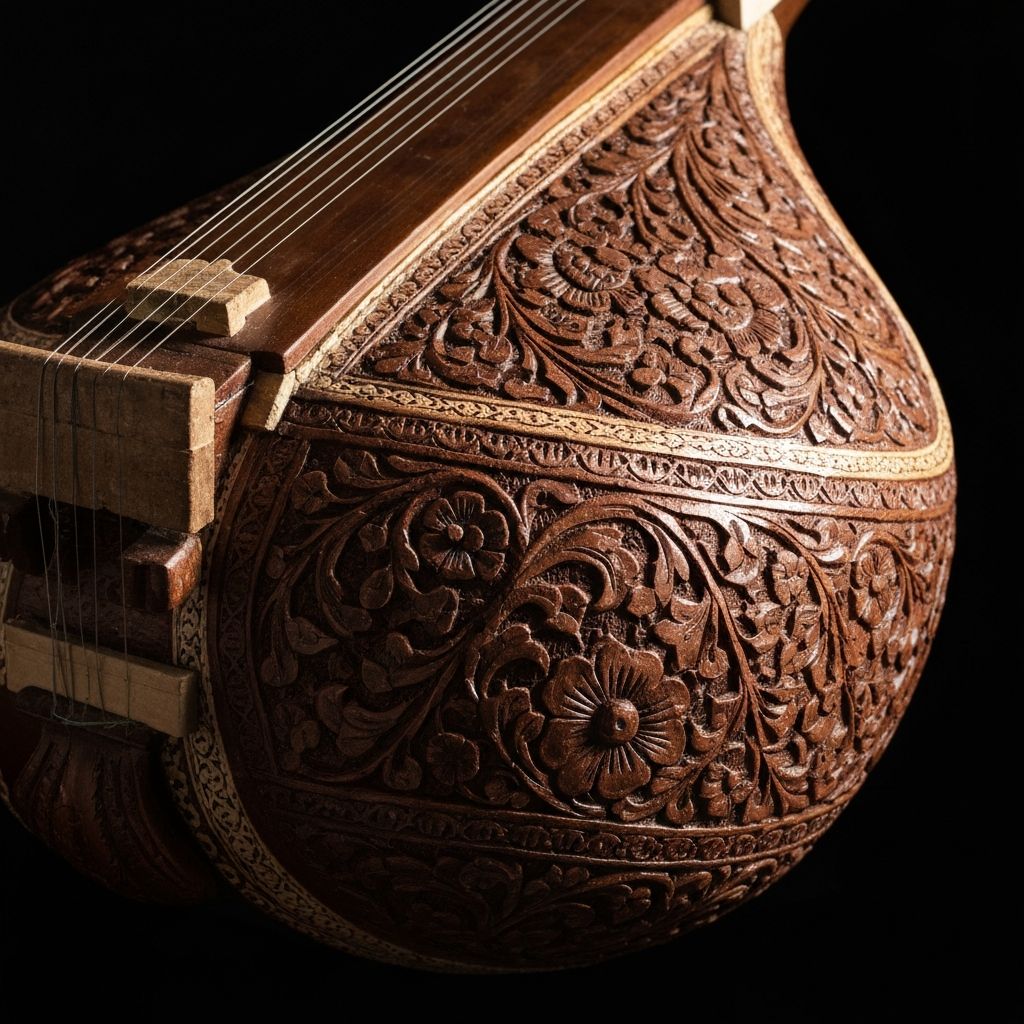
Sitar
A plucked stringed instrument with a distinctive sound, popularized globally by Pandit Ravi Shankar. Its resonant tones and intricate melodies define Hindustani music.
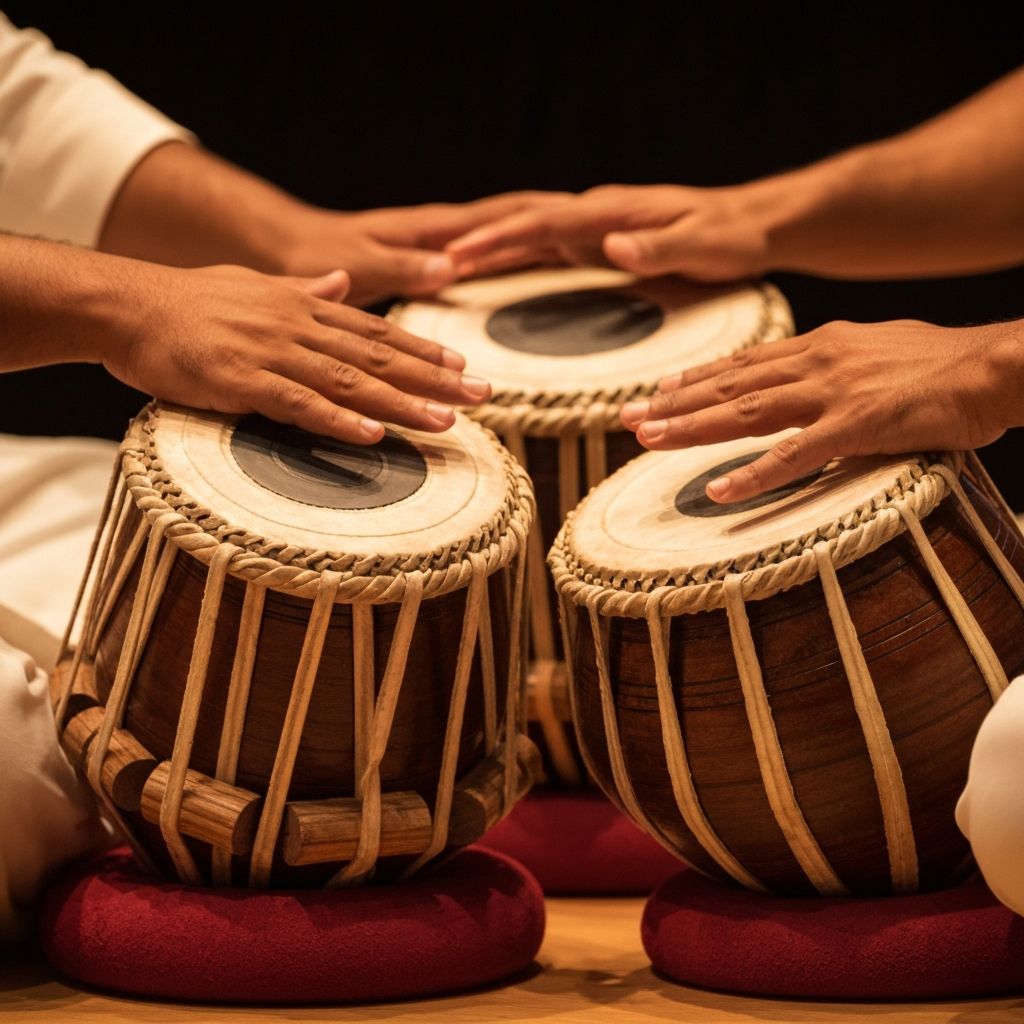
Tabla
A pair of hand drums that form the rhythmic backbone of Hindustani music. The complex finger techniques produce an extraordinary range of sounds.
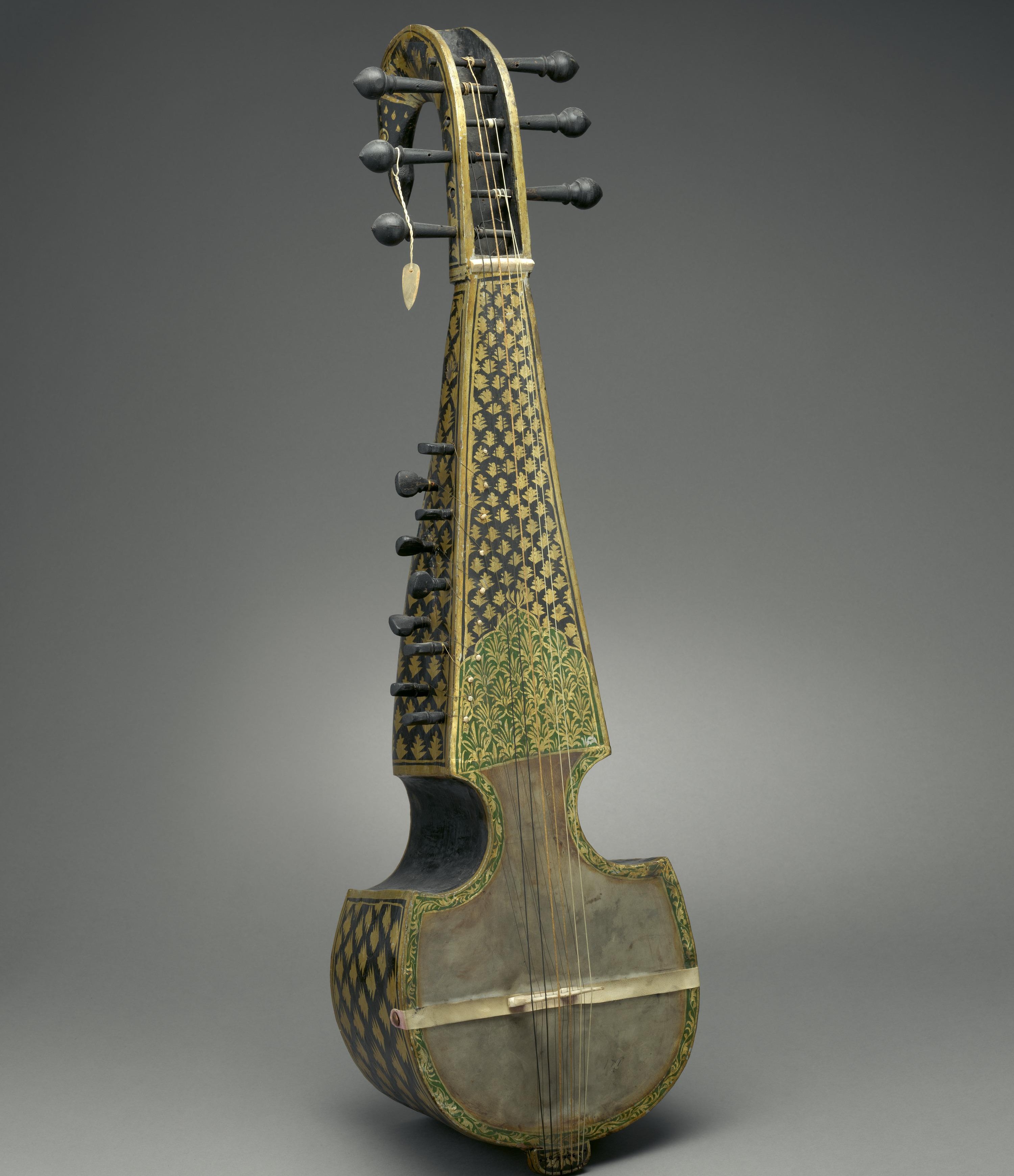
Sarod
A fretless stringed instrument known for its deep, weighty sound and ability to produce continuous slides between notes (meend).
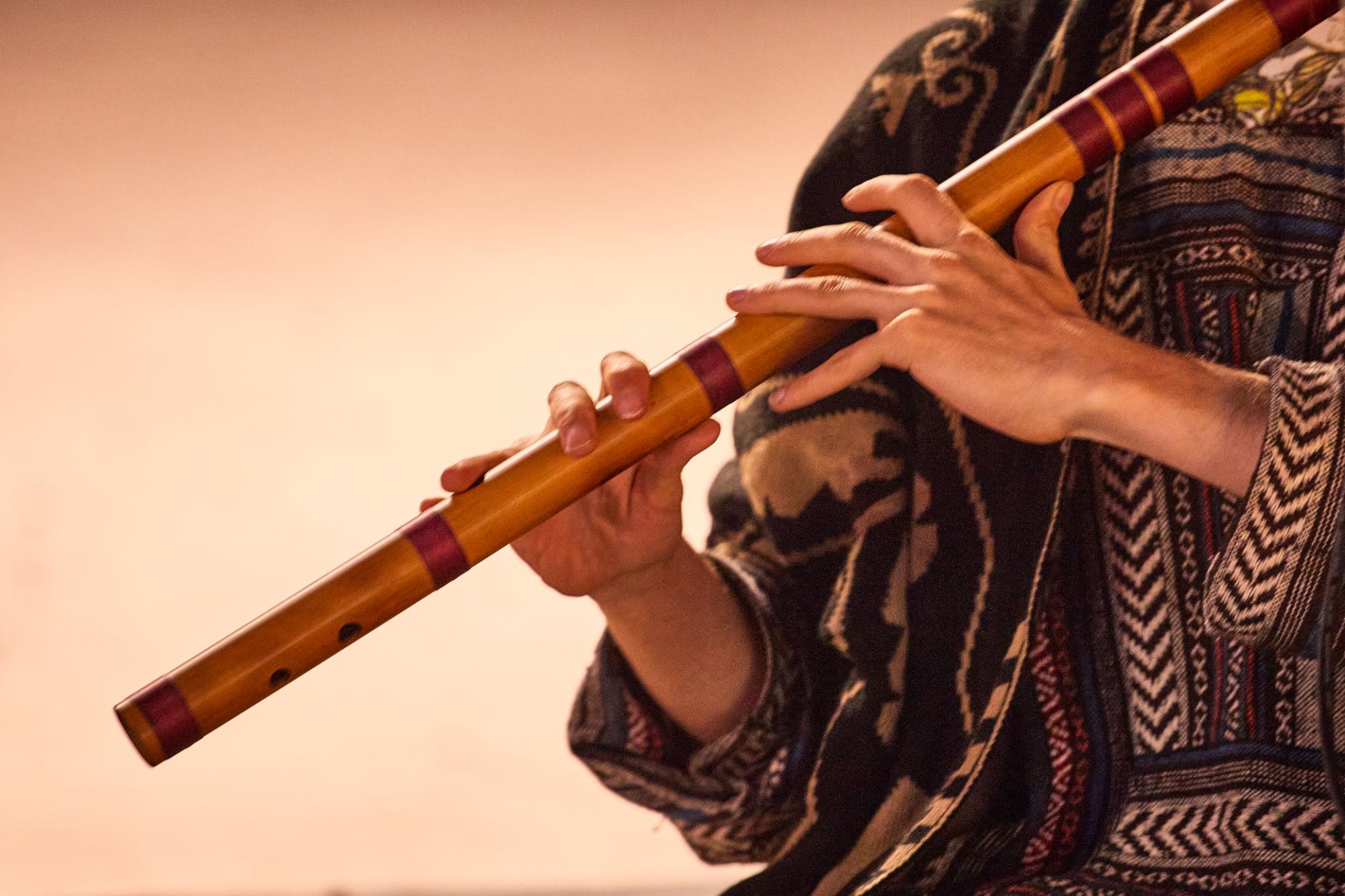
Bansuri
A bamboo flute that produces hauntingly beautiful melodies. Pandit Hariprasad Chaurasia elevated it to concert status.
Instruments of the South
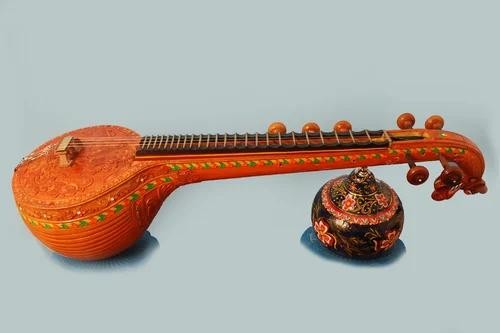
Veena
An ancient plucked string instrument, considered the mother of all Indian stringed instruments, with a rich and resonant tone.
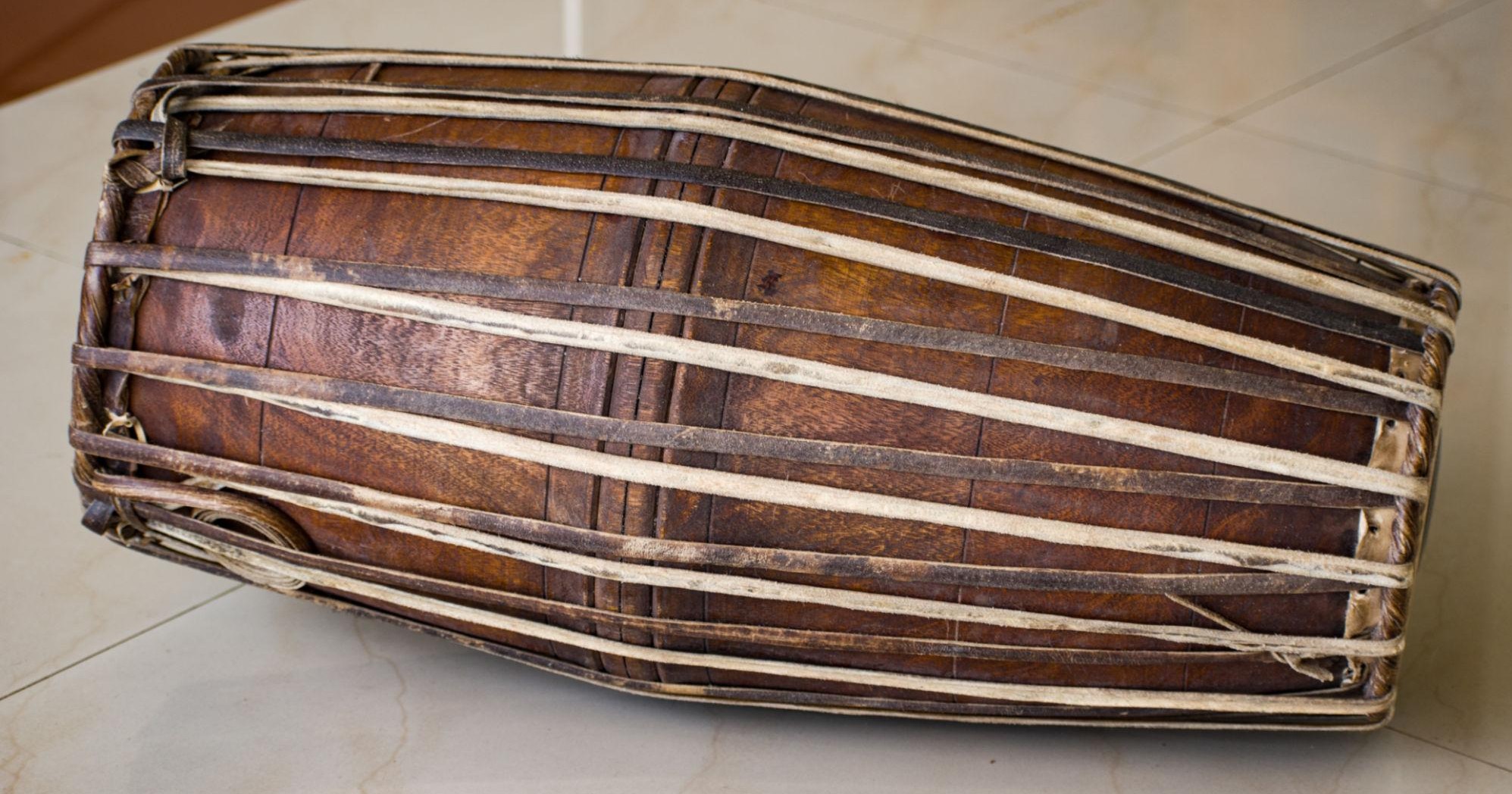
Mridangam
A double-headed drum that provides percussion in Carnatic music. Its name means 'body of clay' in Sanskrit.
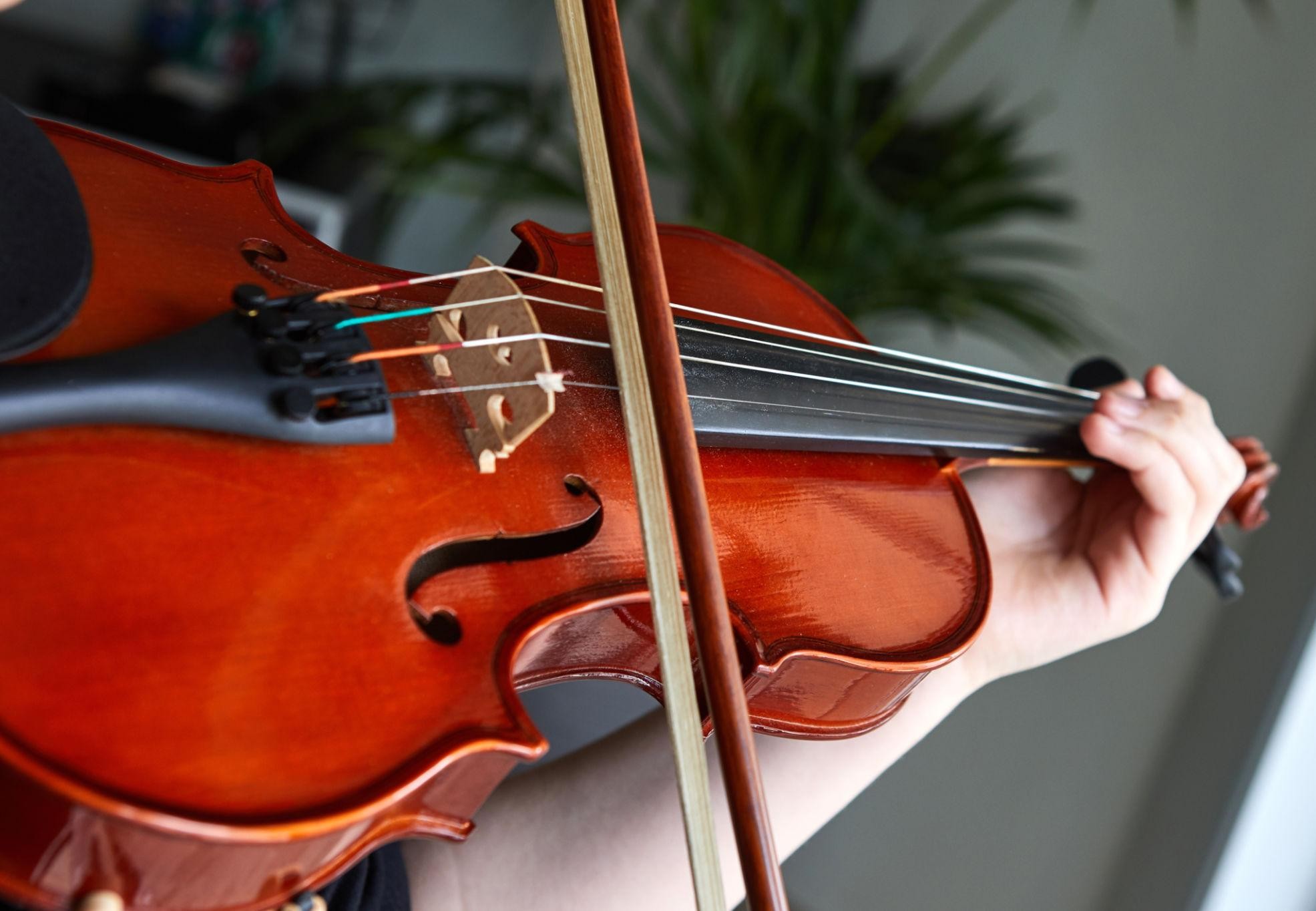
Violin
Adopted into Carnatic music in the 18th century, played seated on the floor with a unique technique adapted to Indian scales.
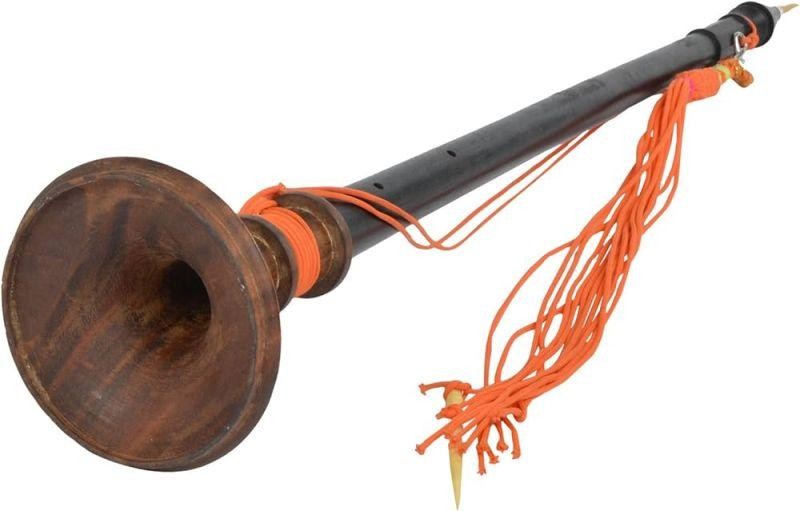
Nadaswaram
A wind instrument often called the 'king of instruments,' traditionally played in temples and auspicious ceremonies.
Legendary Musicians
Tansen
16th Century
One of the nine gems of Akbar's court, legendary for creating ragas
Pandit Ravi Shankar
1920-2012
Sitar maestro who introduced Indian music to the world
Ustad Zakir Hussain
1951-2024
Tabla virtuoso and global ambassador of Indian rhythm
MS Subbulakshmi
1916-2004
First Indian musician to perform at the UN General Assembly
Bhimsen Joshi
1922-2011
Khayal vocalist known for his powerful renditions
Lata Mangeshkar
1929-2022
The 'Nightingale of India' with thousands of songs
Forms of Classical Singing
Hindustani Vocal Forms
- Dhrupad - The oldest form, austere and meditative
- Khayal - Most popular, allowing improvisation
- Thumri - Light classical, romantic themes
- Ghazal - Urdu poetry set to music
- Bhajan - Devotional songs
Carnatic Vocal Forms
- Kriti - The main concert form
- Varnam - Technical opening piece
- Ragam Tanam Pallavi - Extended improvisation
- Javali - Light classical love songs
- Tillana - Rhythmic concluding piece
Experiencing Indian Classical Music
- Major festivals: Dover Lane Music Conference (Kolkata), Sawai Gandharva (Pune), December Season (Chennai)
- Traditional guru-shishya parampara (teacher-student lineage) remains the ideal learning method
- Prestigious institutions: ITC Sangeet Research Academy, Gandharva Mahavidyalaya, Music Academy Chennai
- Recordings by HMV, Saregama, and contemporary platforms preserve the legacy of masters