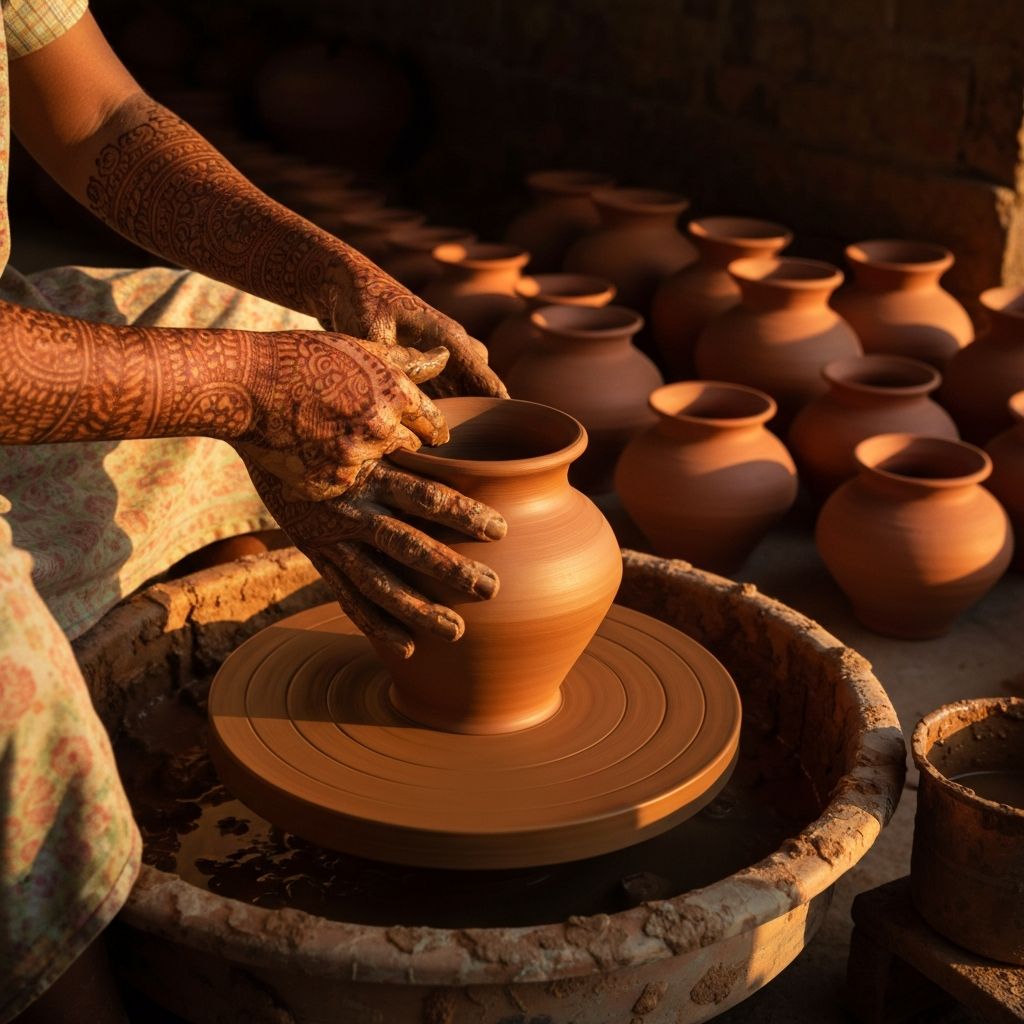
Crafts & Pottery of India
From ancient terracotta to intricate metalwork — India's artisan traditions carry millennia of skill, devotion, and cultural memory in every piece.
Craft Forms
3,000+ Documented
History
5,000+ Years
Artisans
70+ Million Across India
GI Tags
500+ Craft GI Tags
India is home to one of the world's richest craft traditions, with over 3,000 documented craft forms and approximately 70 million artisans. From the Indus Valley Civilization's finely-thrown pottery to the royal ateliers of the Mughal court and living village traditions today, Indian crafts reflect an unbroken continuum of making.
Each craft is inseparable from the geography and culture that produced it — the blue of Jaipur's pottery mirrors the city's regal palaces; Dhokra's rough, elemental forms echo the tribal landscapes of central India; and the delicate filigree of Cuttack speaks to Odisha's temple-building heritage. Today, GI (Geographical Indication) tags protect hundreds of these traditions.
Iconic Craft Traditions
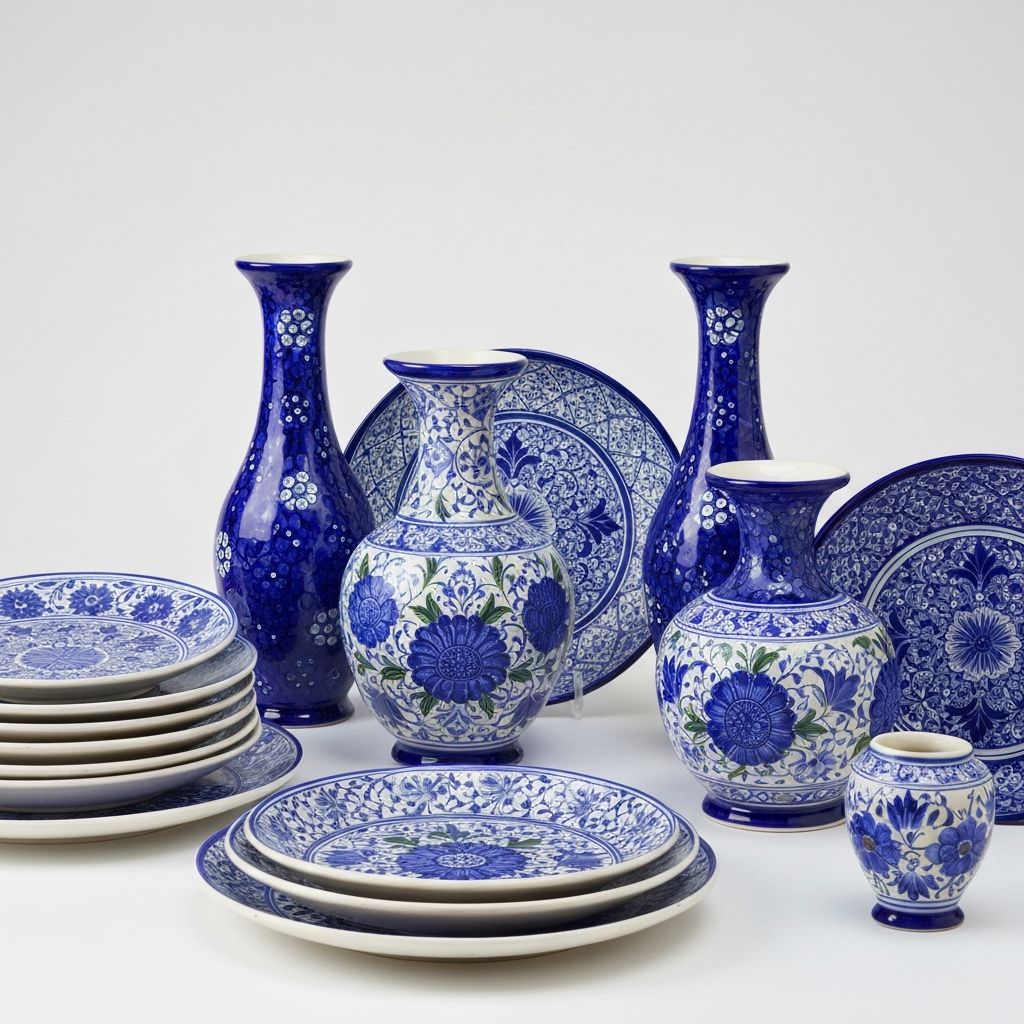 GI Tagged
Jaipur, Rajasthan
Blue Pottery
Jaipur's iconic blue pottery is unique — made not from clay but from a dough of quartz stone powder, raw glaze, and Multani mitti. The striking cobalt-blue and white designs draw from Persian and Central Asian influences, making each piece a miniature work of art.
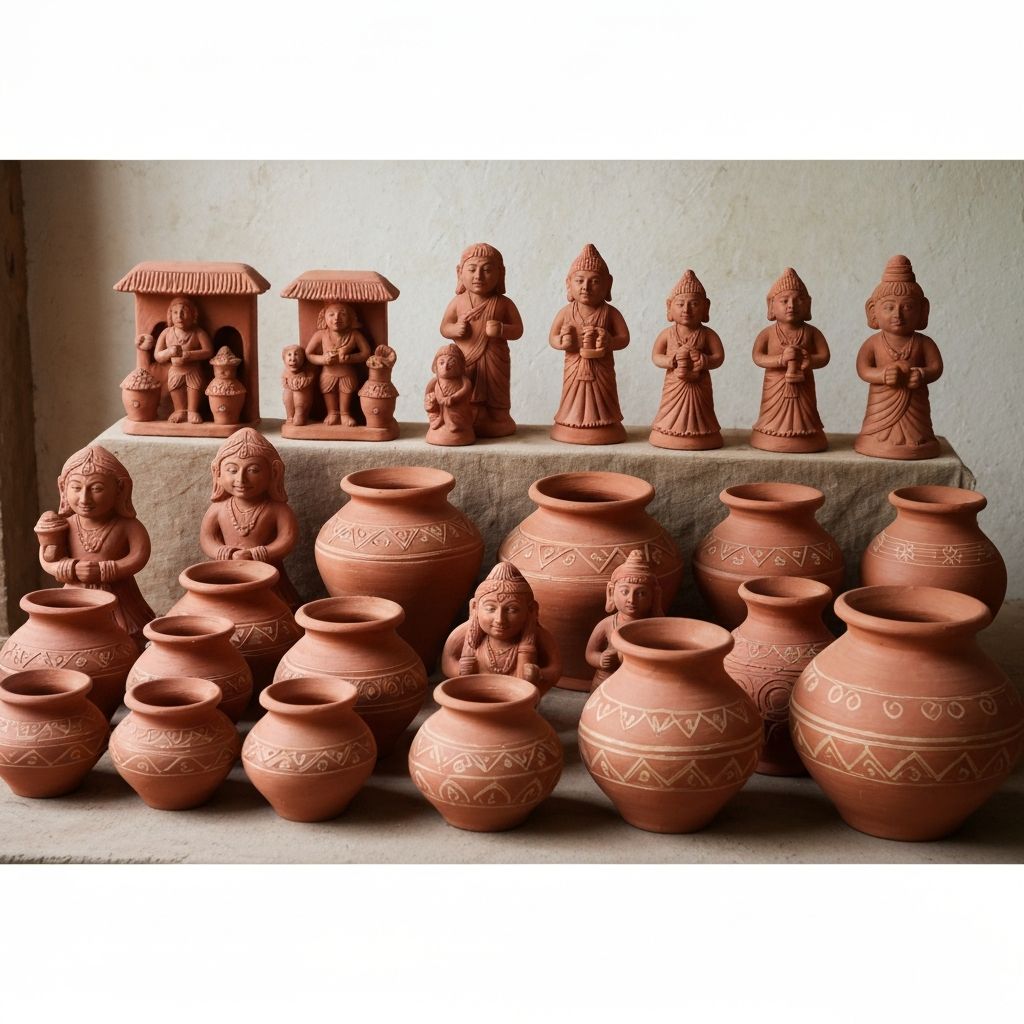 GI Tagged
West Bengal, Rajasthan, Tamil Nadu
Terracotta
One of India's oldest craft traditions, terracotta has been practiced for over 5,000 years since the Indus Valley Civilization. From Bankura's horse figurines and Molela's votive plaques to Thanjavur's ritual figures, terracotta tells the story of regional devotion and folk imagination.
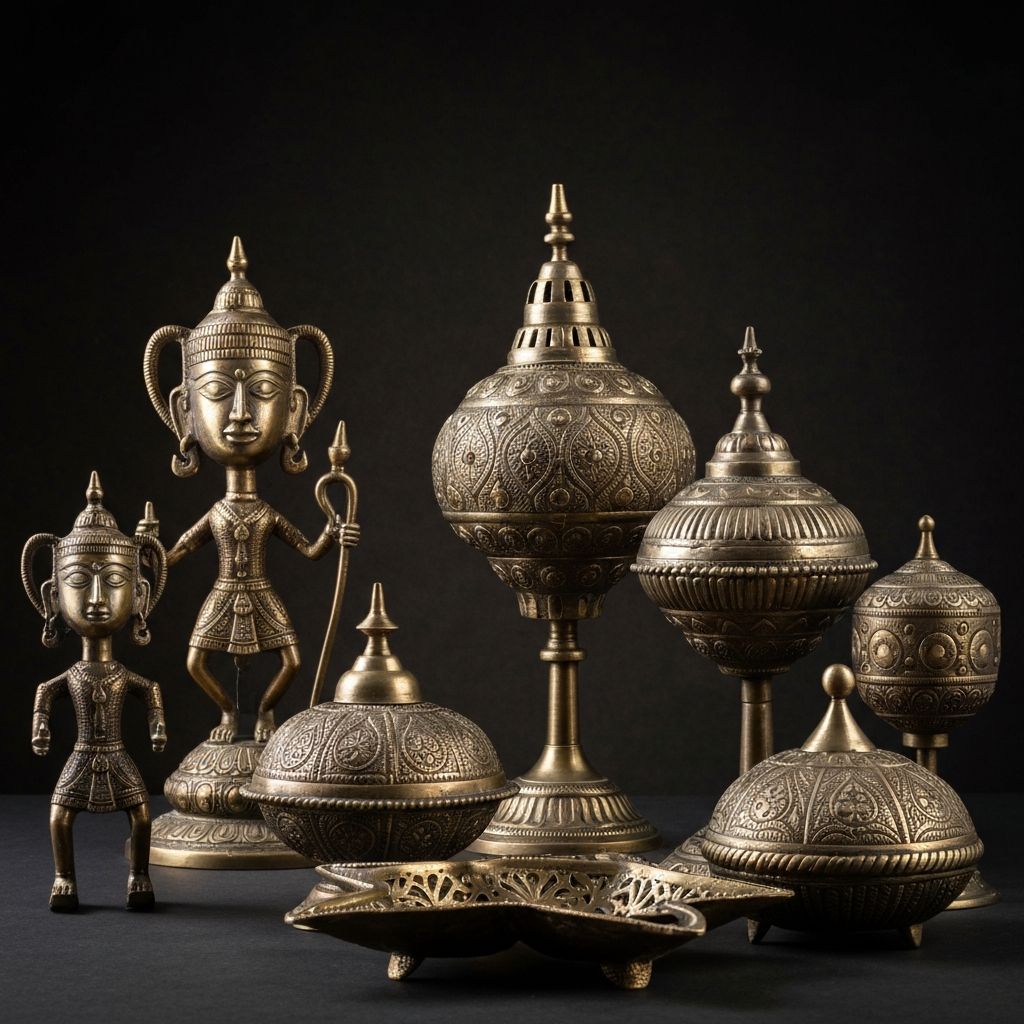
West Bengal, Odisha, Chhattisgarh
Dhokra Metalwork
Dhokra is one of the world's oldest metal casting traditions, using the lost-wax (cire perdue) process that dates back at least 4,000 years. Tribal artisans create striking figurines, lamps, and jewellery — each piece raw, primitive, and deeply expressive.
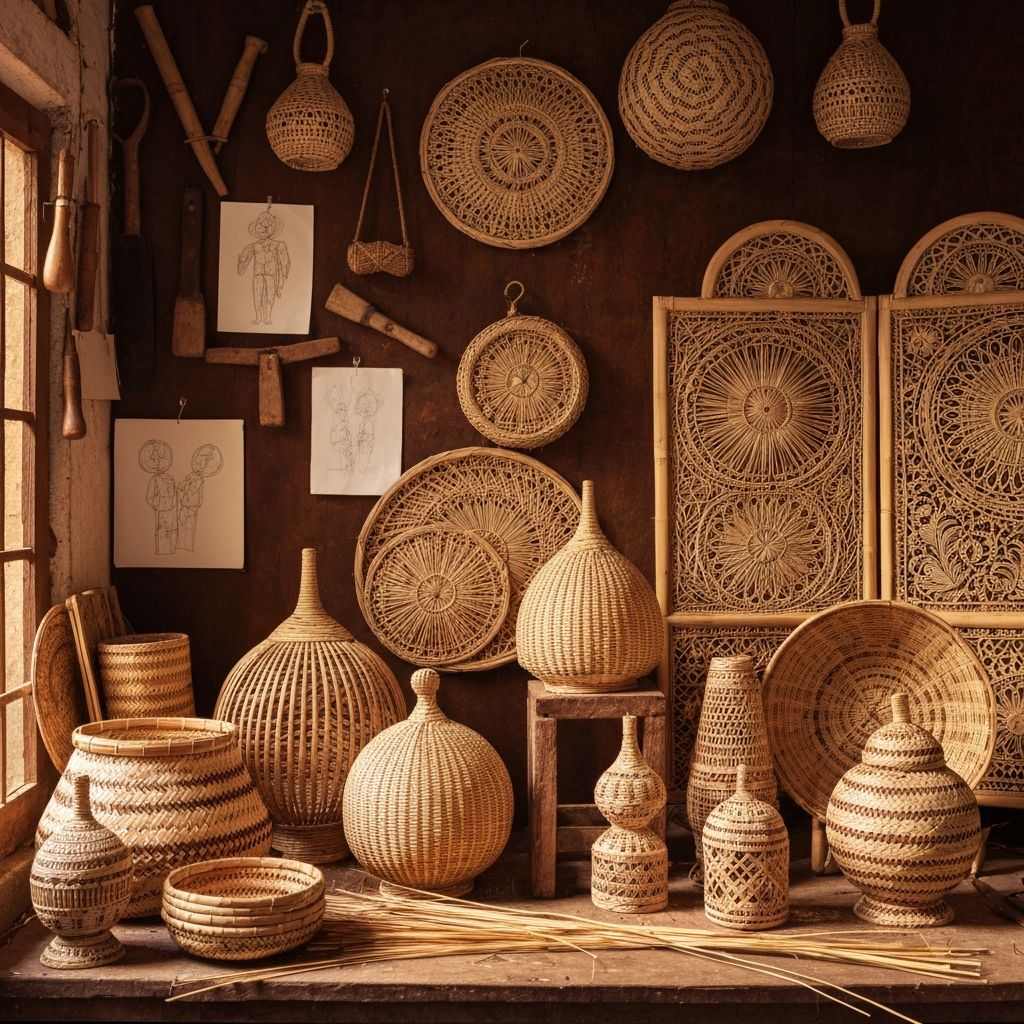
Northeast India, Kerala, Assam
Bamboo & Cane
Northeast India's tribal communities have elevated bamboo and cane weaving into an art form. From Assamese japi hats to Manipuri bamboo furniture and Nagaland's decorative baskets, this craft blends ecological wisdom with extraordinary skill.
Regional Craft Traditions
Pottery & Ceramics
Woodwork
Stone & Glass
Geographical Indication Tags
GI tags legally protect craft traditions, ensuring that only artisans from the designated region can use the craft's name.
Kondapalli Toys
Andhra Pradesh
GI since 2004
Blue Pottery of Jaipur
Rajasthan
GI since 2008
Channapatna Toys
Karnataka
GI since 2005
Mysore Rosewood Inlay
Karnataka
GI since 2005
Kotpad Handloom Fabric
Odisha
GI since 2009
Filigree Work (Tarakasi)
Odisha
GI since 2004
Supporting Living Craft Traditions
India's government and NGOs run several programs to preserve and promote artisan crafts. Notable initiatives include:
- Crafts Council of India — promotes traditional crafts through exhibitions and training
- National Awards for Master Craftspersons — recognizes outstanding artisans annually
- Dastkar — a craft cooperative supporting over 14,000 artisans across India
- Surajkund Mela — annual international crafts fair held in Haryana every February