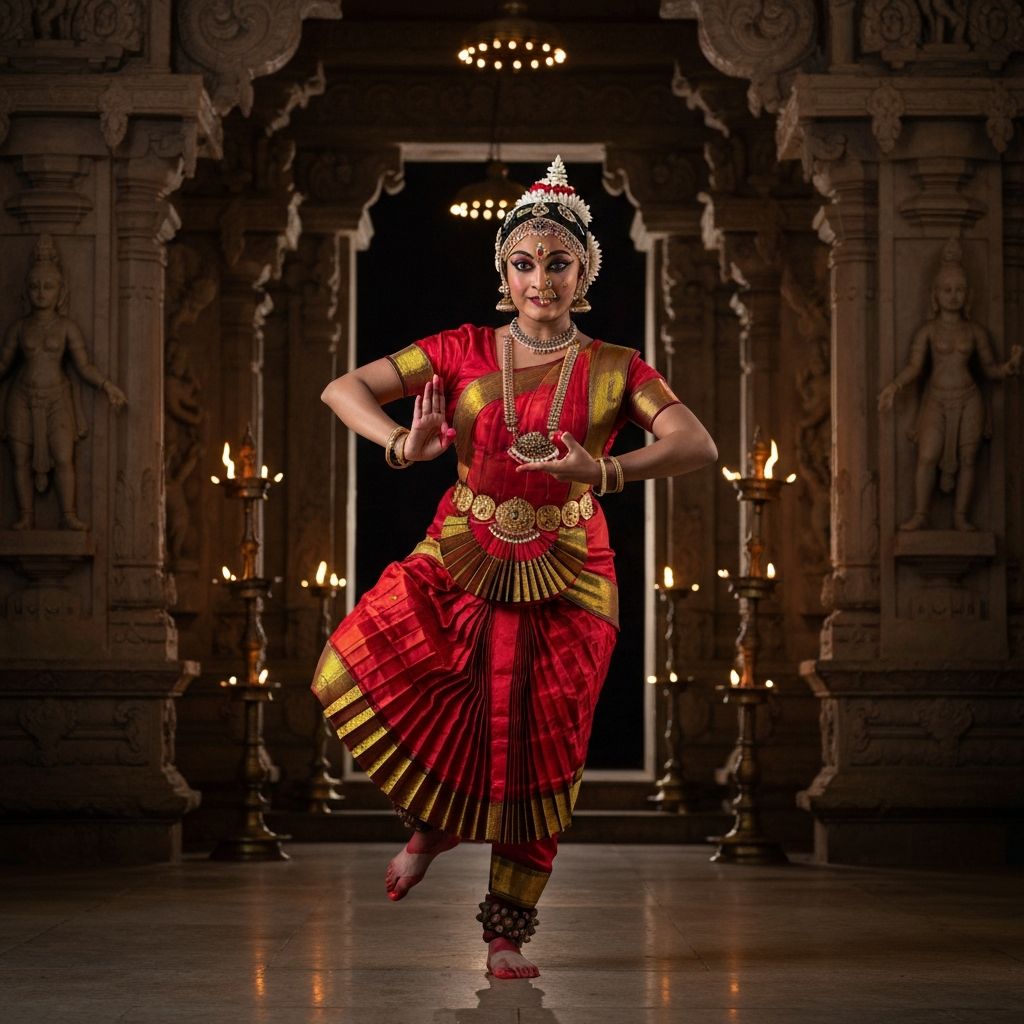
Classical Dance Forms of India
Eight divine traditions that transform movement into poetry, stories into sculptures, and devotion into art.
Classical Forms
8 Recognized by Sangeet Natak Akademi
Origin
2000+ Years of Tradition
Regions
Across India
Foundation
Natya Shastra
Indian classical dance is a sublime expression of the country's spiritual and artistic heritage, rooted in the ancient treatise Natya Shastra by Bharata Muni (circa 200 BCE). These dance forms are not merely performances but sacred rituals that connect the mortal to the divine, telling stories from Hindu epics and expressing devotion through every gesture, step, and expression.
The Sangeet Natak Akademi, India's national academy for music, dance, and drama, recognizes eight classical dance forms. Each has its unique vocabulary of movements, costumes, and musical accompaniment, yet all share the fundamental elements of Nritta (pure rhythmic dance), Nritya (expressive dance), and Natya (dramatic element).
Classical Dance Forms
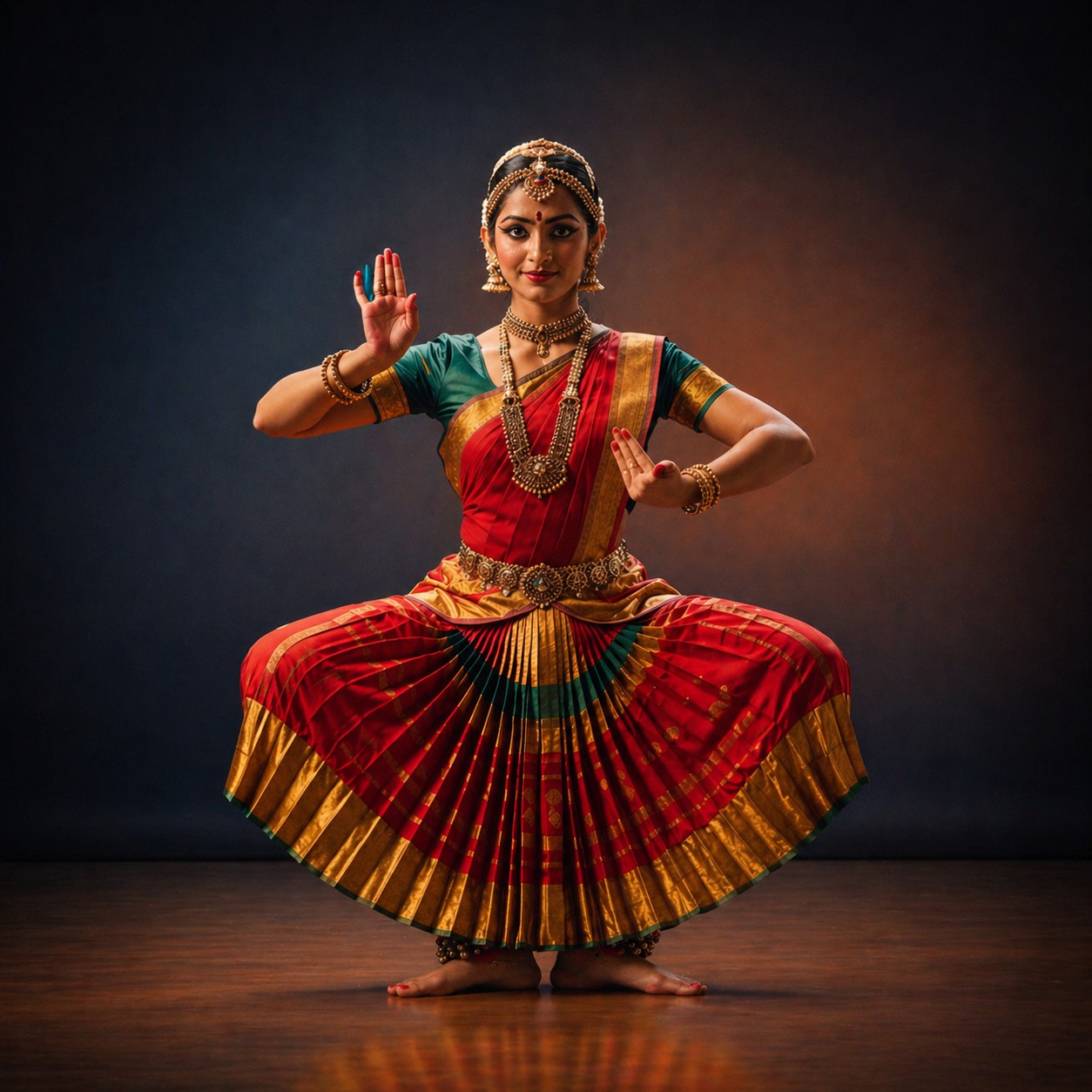
Bharatanatyam
One of the oldest classical dance forms, Bharatanatyam originated in the temples of Tamil Nadu. It is known for its grace, purity, and sculpturesque poses. The dance form is characterized by bent knees, geometric movements, and expressive hand gestures (mudras).
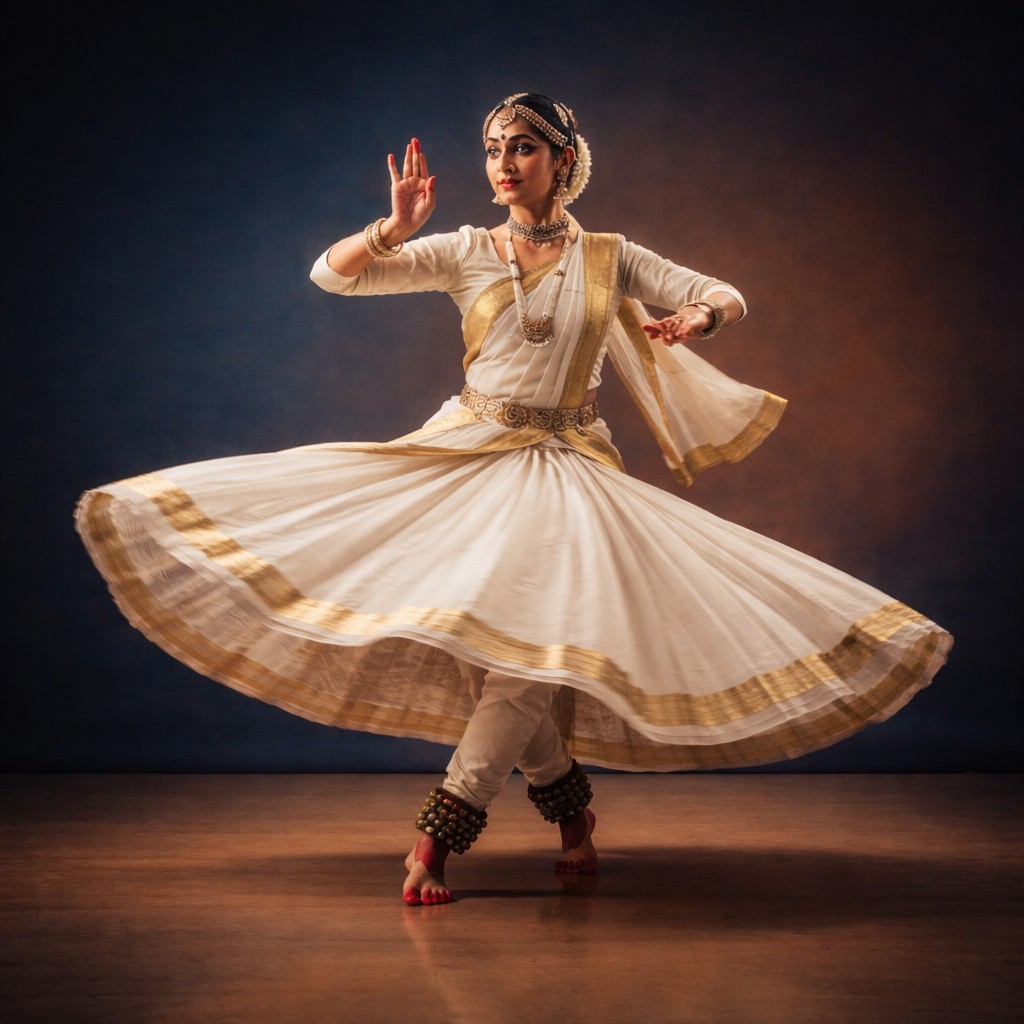
Kathak
Kathak evolved from the storytelling traditions of ancient North India. Distinguished by intricate footwork, spins (chakkar), and expressive gestures, it was enriched by both Hindu and Mughal cultural influences, blending temple rituals with courtly elegance.
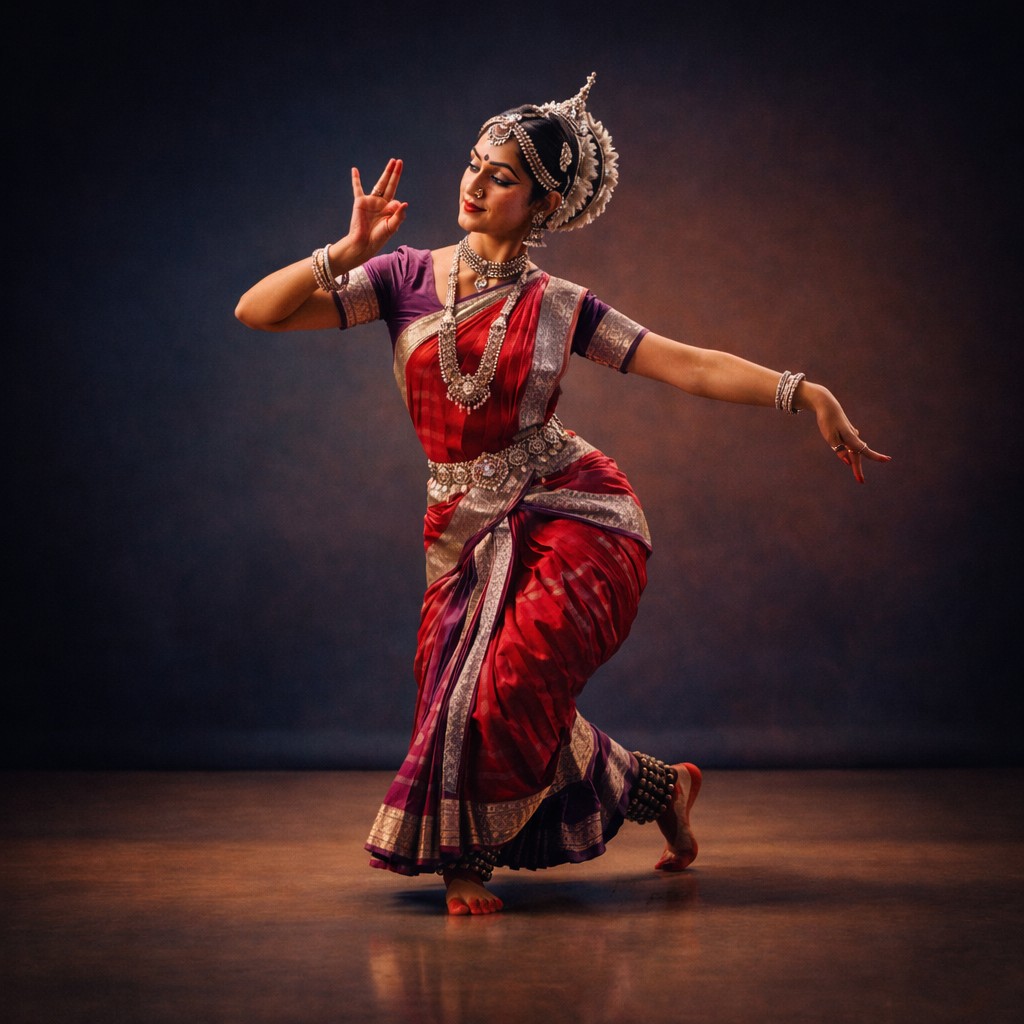
Odissi
Odissi is known for its tribhanga (three-bend) posture and fluid, lyrical movements that echo the sculptures of ancient Odishan temples. It is one of the oldest surviving dance forms, with archaeological evidence dating back 2,000 years.
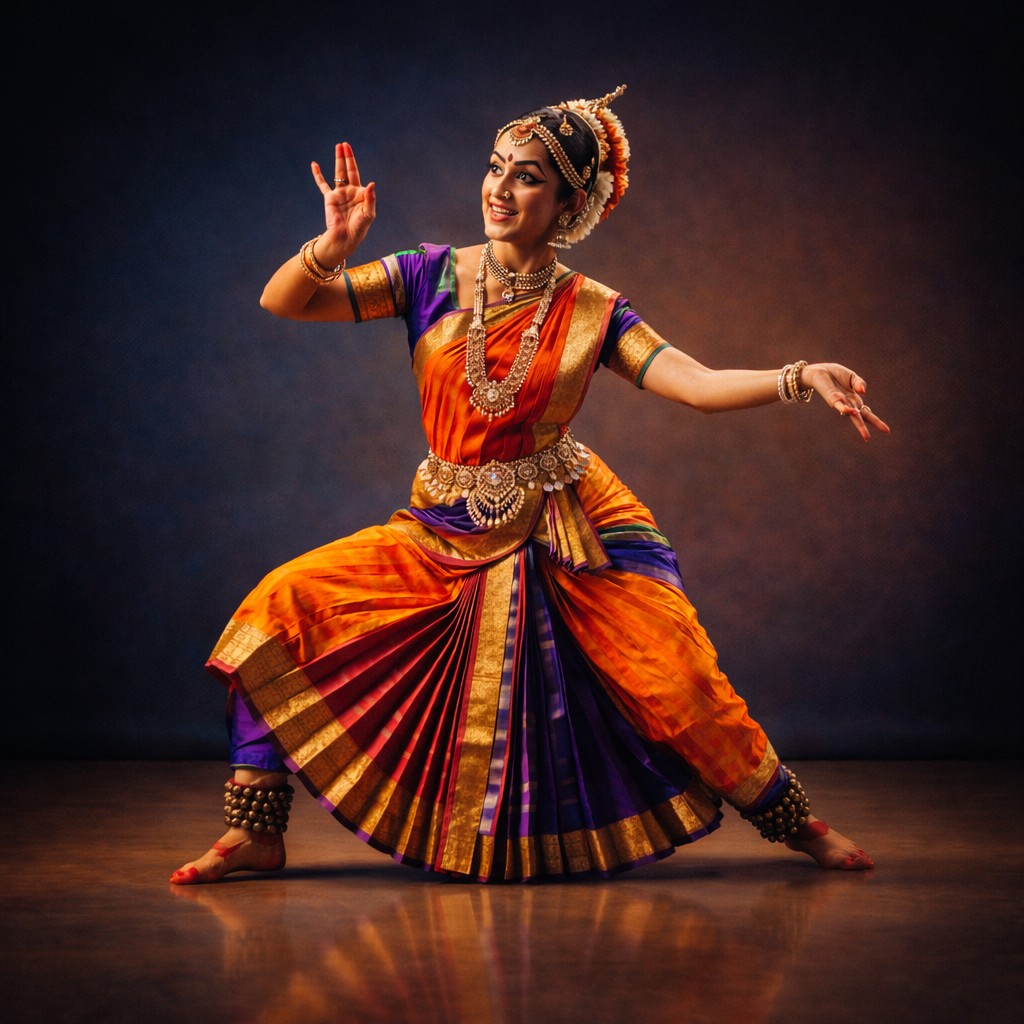
Kuchipudi
Originating from Kuchipudi village in Andhra Pradesh, this dance form combines pure dance (nritta), expressional dance (nritya), and drama (natya). Famous for its brisk movements, a unique feature is dancing on the rim of a brass plate.
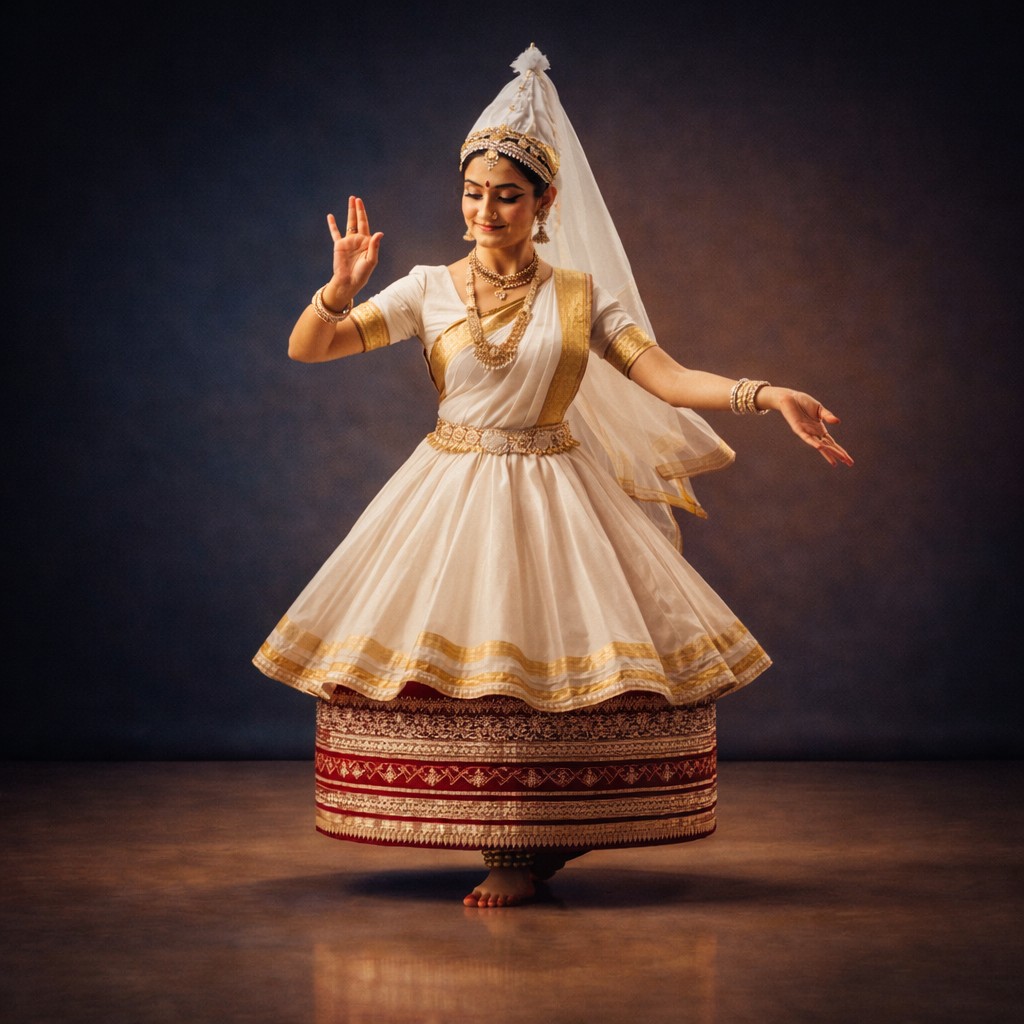
Manipuri
Manipuri dance is characterized by its gentle, lyrical movements and devotional themes, primarily depicting the Raas Leela of Krishna and Radha. The distinctive cylindrical costume and soft, swaying movements set it apart from other classical forms.
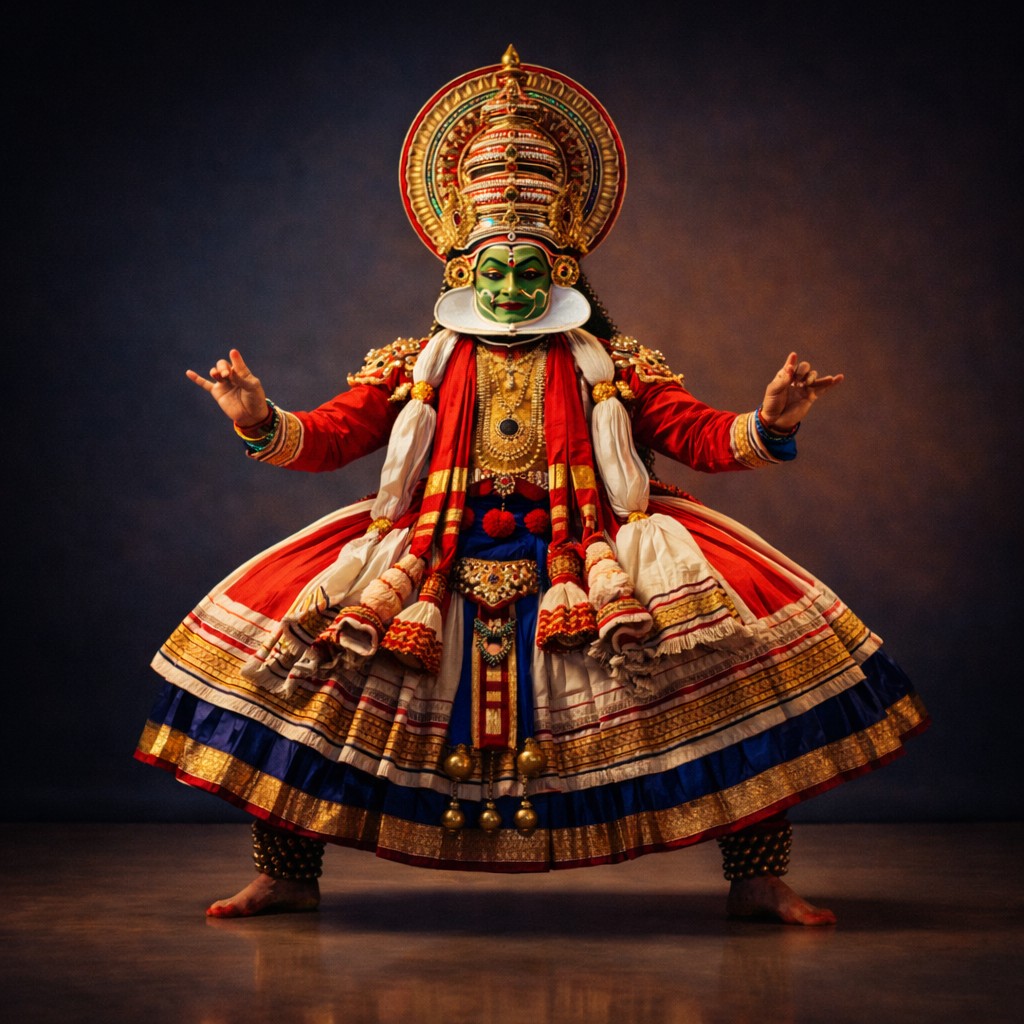
Kathakali
Kathakali is a highly stylized classical dance-drama known for its elaborate costumes, intricate makeup, and dramatic storytelling. Performers depict characters from epics like Ramayana and Mahabharata through codified facial expressions and body movements.
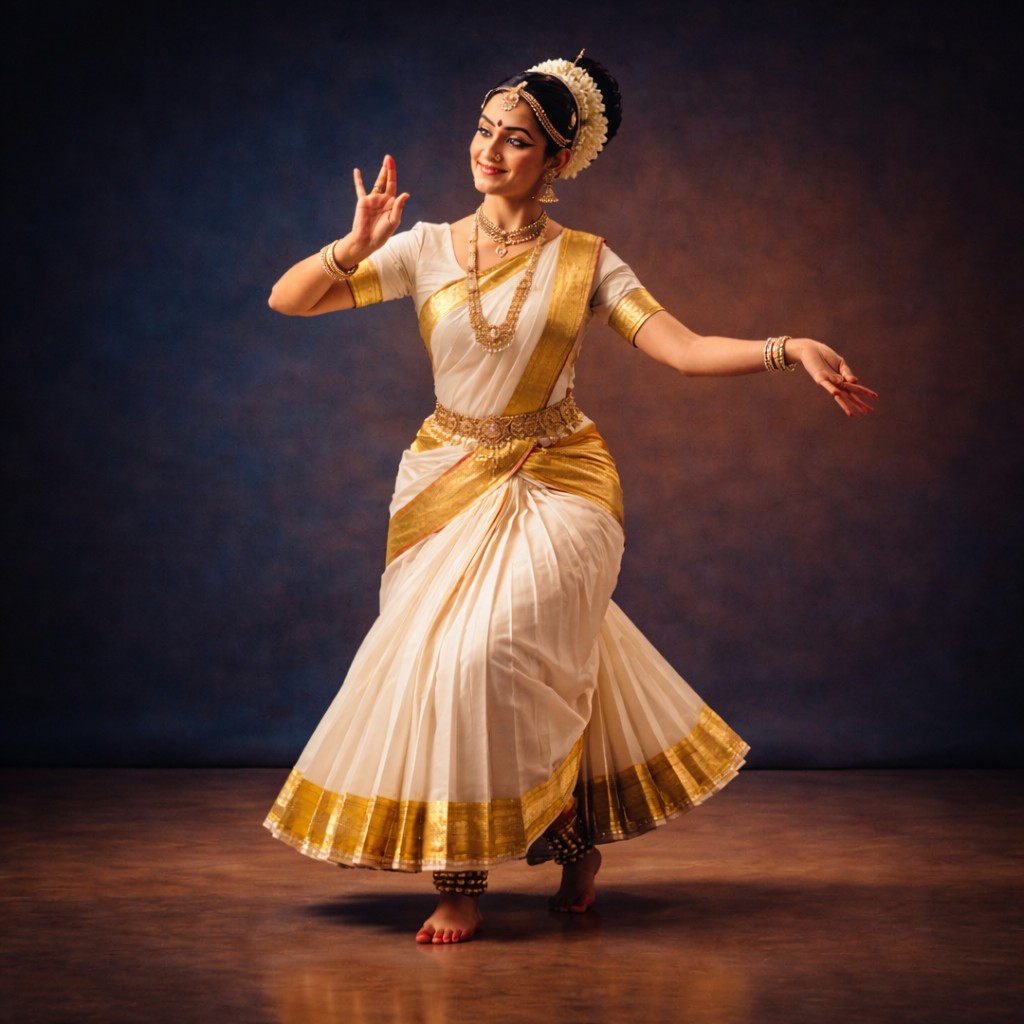
Mohiniyattam
Mohiniyattam, meaning 'dance of the enchantress,' is a graceful solo dance performed by women. It is characterized by delicate swaying movements resembling palm trees and gentle ocean waves, with themes drawn from mythology and devotion.
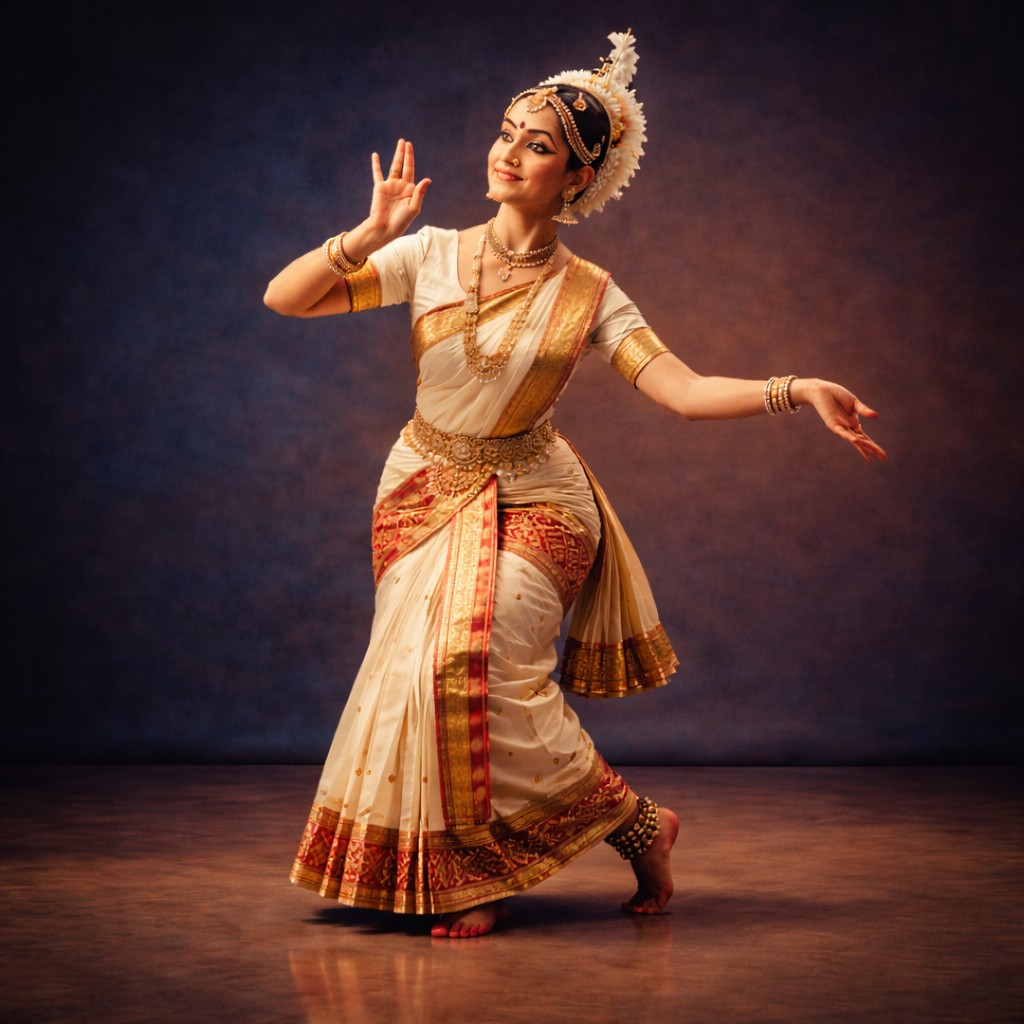
Sattriya
Sattriya was introduced in the 15th century by the Vaishnavite saint Srimanta Sankaradeva. Originally performed only by male monks in Assamese monasteries (sattras), it combines dance, drama, and music to tell stories of Krishna.
Other Regional Styles
Bhangra
Energetic dance celebrating harvest (Vaisakhi), Loud music and vibrant costumes.
Garba / Dandiya
Performed during Navratri, Circular group dance with rhythmic clapping or sticks.
Ghoomar
Traditional women's dance, Known for swirling skirts and graceful spins.
Lavani
Fast-paced and expressive, Combines dance with powerful storytelling and music.
Yakshagana
Dance-drama with elaborate costumes, Mythological storytelling with music and dialogue.
Bihu
Celebrates Assamese New Year, Quick movements and joyful expressions.
Chhau
Martial arts-based dance, Use of masks (especially in Purulia style).
Nati
Nati is graceful and steady, A group dance performed in circles or long chains, often with people holding hands or shoulders..
The Language of Classical Dance
All classical dance forms share a sophisticated vocabulary of expression. Mudras (hand gestures) can number over a hundred, each carrying specific meanings. Abhinaya (expression) uses the entire body - especially the eyes, eyebrows, and face - to convey emotions (rasas) ranging from love to heroism to tranquility.
The Nine Rasas (Emotions)
- Shringara - Love and beauty
- Hasya - Joy and laughter
- Karuna - Sorrow and compassion
- Raudra - Anger and fury
- Veera - Heroism and courage
- Bhayanaka - Fear and terror
- Bibhatsa - Disgust
- Adbhuta - Wonder and amazement
- Shanta - Peace and tranquility
Essential Elements
- Tala - Rhythmic cycle
- Mudra - Hand gestures
- Adavu - Basic dance units
- Natya - Dramatic element
- Nritta - Pure abstract dance
- Nritya - Expressive dance
- Abhinaya - Expression
- Bhava - Mood or emotion
Living Traditions
Today, these classical forms thrive both in their traditional contexts and on international stages. Legendary gurus have established schools (guru-shishya parampara) that continue to train new generations. Contemporary choreographers are also innovating within these traditions, creating works that speak to modern audiences while honoring ancient aesthetics.
Learning Classical Dance
- Traditional training follows the guru-shishya (teacher-student) system
- Arangetram marks a dancer's solo debut after years of training
- Major institutions include Kalakshetra (Chennai), Nrityagram (Bangalore), and Kathak Kendra (Delhi)
- Annual festivals like Khajuraho Dance Festival showcase all classical forms
Whether witnessed in an ancient temple courtyard or a modern concert hall, Indian classical dance remains a transcendent art form - a bridge between the earthly and the divine, carrying forward millennia of devotion, storytelling, and artistic excellence.